
2,000 Years of Wellness Set to Power Sri Lanka’s Tourism Future
Sri Lanka is looking to its long tradition of Ayurveda and wellness as it seeks to strengthen its position in the growing international wellness tourism market.
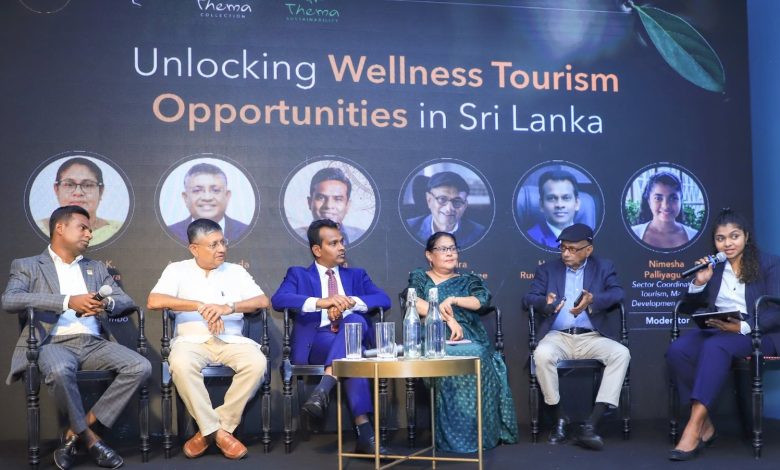
This was the focus of the “Positioning Sri Lanka as a Sustainable Wellness Destination” forum recently held by Australia’s Market Development Facility (MDF) in partnership with hotel chain Thema Collection.
Deputy Minister of Tourism Professor Ruwan Ranasinghe and Australian Deputy High Commissioner to Sri Lanka Ruth Baird joined government representatives, tourism industry leaders and academics for discussions on how Sri Lanka can develop its wellness tourism offering and reach new markets.
MDF also presented findings from its study of Japan’s outbound wellness tourism market, looking at traveller motivations and opportunities to attract visitors from the growing wellness-conscious segment.
Wellness tourism is gaining ground internationally as travellers increasingly look for experiences that combine wellbeing with nature, culture and sustainability.
Sri Lanka has a long history in this field. Ayurvedic practices have been part of the country’s indigenous wellbeing and medical heritage for more than 2,000 years.
That heritage, together with Sri Lanka’s natural environment, culture and hospitality, gives the country a base on which to build a wider wellness tourism offering.
Sri Lanka was ranked first in the 2026 BookRetreats Wellness Destination Index, according to information shared at the forum.
Delivering the keynote address, Professor Ranasinghe said Sri Lanka had the ingredients needed to become a globally recognised wellness destination.
“Sri Lanka has all the elements to become a globally recognised wellness destination, from our Ayurvedic heritage to our culture and hospitality,” he said.
He said the government’s focus was on creating the right policy environment and strengthening cooperation between the government and tourism industry.
Wellness tourism, he said, could become an important driver of investment, market diversification and sustainable economic growth.
The private sector is also looking at the connection between wellness and sustainability.
Chandra Wickramasinghe, Chairman of Thema Collection, said the two went hand in hand.
“At Thema Collection, we believe wellness and sustainability are inseparable,” he said.
Thema Collection currently has 17 properties, including two Ayurvedic properties. The group has also introduced sustainability programmes covering environmental protection, community support and responsible tourism.
With support from MDF, Thema Collection has assessed its carbon footprint and completed independently verified, portfolio-wide carbon calculations, making it one of the first hotel chains in Sri Lanka to do so across its portfolio.
The hotel group is now looking at further ways to develop wellness experiences based on Sri Lanka’s natural and cultural strengths.
The forum also brought attention to new source markets, particularly Japan.
MDF has identified wellness tourism as an opportunity for Sri Lanka to move beyond traditional source markets and attract higher-value visitors. It also sees the sector as a way of helping Sri Lanka move towards a more year-round tourism industry.
MDF has been supporting tourism partners in efforts to reach wellness travellers from Japan, Australia and the Middle East.
Speaking at the forum, Australian Deputy High Commissioner Ruth Baird said travellers were increasingly choosing destinations that combine authenticity, wellbeing and sustainability.
Australia, she said, had been a longstanding partner in Sri Lanka’s economic development, particularly in tourism.
Through MDF, Australia is working with businesses to strengthen sustainable practices, improve competitiveness and respond to changing international demand.
Baird said wellness tourism offered Sri Lanka an opportunity to attract visitors while protecting the natural and cultural assets that make the country unique.
She also stressed the value of bringing government, industry and development partners together to exchange ideas, build partnerships and identify practical solutions that could work over the long term.
Participants heard from industry experts on the role of sustainability in developing wellness tourism experiences before taking part in a high-level panel discussion on cooperation between government, industry and development partners.
For Sri Lanka, wellness tourism is being seen as more than a niche addition to the existing tourism portfolio.
It offers an opportunity to take the country’s Ayurvedic heritage, natural environment and cultural traditions to new international audiences while attracting visitors interested in experiences beyond the conventional holiday.
MDF has been working with tourism partners to promote sustainable tourism as a route to greater competitiveness and resilience. The facility supports businesses and governments in its partner countries across the Indo-Pacific to identify commercial opportunities that can generate income while delivering social and environmental benefits.
MDF is funded by the Australian Department of Foreign Affairs and Trade (DFAT) and implemented by Palladium in partnership with Swisscontact.
As Sri Lanka looks to diversify its tourism industry, wellness could provide a new route to visitors from markets that have not traditionally been among the country’s main sources.
The challenge now is to turn a 2,000-year-old wellness tradition into experiences that today’s international traveller wants to discover.
For Sri Lanka, the next chapter of wellness tourism may lie in taking something deeply rooted in its past and giving it a place in the future of global travel.