
Sri Lanka on the Move: Tourism, Heritage and Youth with Dr Dietmar Doering
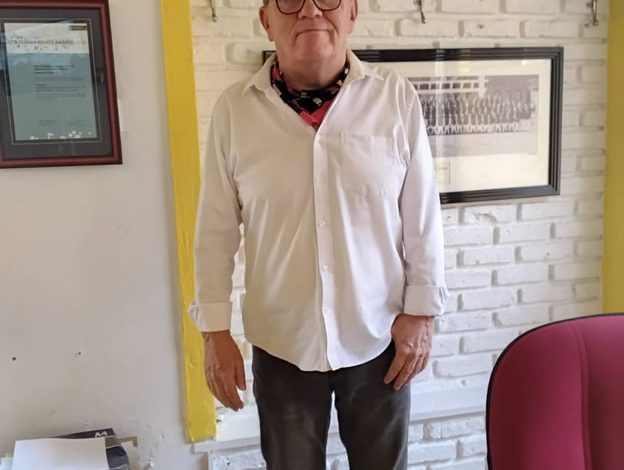
Dr Dietmar Doering, Tourism and Investment Promoter for Sri Lanka and Founder of the Asian-German Sports Exchange Programme (AGSEP), has been instrumental in linking the country’s rich heritage with innovative tourism strategies. From fostering international research collaborations to supporting rural talent, his work highlights Sri Lanka as a destination that values culture, sustainability, and youth engagement.
In this interview for Ceylon Digest, Dr Doering shares his insights on enhancing Sri Lanka’s global tourism profile, developing niche sectors such as long-stay and nautical tourism, and involving universities and students in initiatives that create long-term benefits for communities and the national economy.
Interview
Q: How did your early childhood and experiences lead you to join the hotel and tourism sector?
Dr Dietmar Doering: From the age of around 16, I travelled extensively across the world. Naturally, I developed a strong interest in exploring different countries and experiencing diverse cultures.
Q: How has your personal identity, including your signature style, influenced your professional presence in tourism?
Dr Dietmar Doering: I am not concerned about the type of car I drive or the clothes I wear, nor how they may influence my environment. My engagement in tourism development for Sri Lanka is driven purely by my interest in seeing the country prosper, particularly in increasing annual tourist arrivals, which have remained low for many years. In my opinion, Sri Lanka can accommodate up to nine million arrivals annually within a period of three years.
Q: How can Sri Lanka utilise its culture and heritage to boost tourism and economic growth?
Dr Dietmar Doering: Sri Lanka is already being featured on major social media platforms such as TikTok, Instagram, Facebook, and YouTube. Sites like Sigiriya Rock and Anuradhapura have recently gained attention, even being linked to unusual and speculative narratives. This type of exposure attracts niche segments beyond the traditional tourist market.
Q: How can educational tourism and international research exchanges strengthen Sri Lanka’s global reputation?
Dr Dietmar Doering: They can contribute significantly, provided that verified research findings are implemented. The challenge over the decades has been that while experts propose ideas, implementation often does not follow.
Q: What role should universities, students, and researchers play in promoting Sri Lanka’s tourism and heritage?
Dr Dietmar Doering: Institutions such as the University of Colombo, with eminent academics like Professor Dr. Suranga De Silva, demonstrate strong academic thinking and valuable brainstorming. However, many good proposals remain unexecuted. While 2.7 million tourist arrivals may seem positive, comparisons with countries like Vietnam, which receives around 18 million visitors, highlight the need for more decisive action.
Q: How can niche sectors such as nautical tourism, cultural immersion programmes, and long-stay tourism contribute to sustainable development?
Dr Dietmar Doering: Approximately 80,000 long-stay visitors can generate economic value equivalent to 2.7 million short-term tourists who stay an average of ten days. Long-stay visitors remain throughout the year, making a significant and consistent contribution.
Q: As a promoter of yacht tourism in Sri Lanka and a keynote speaker at international marine tourism forums, including ASA engagements, how do you see the future of nautical tourism contributing to Sri Lanka’s tourism diversification and global positioning?
Dr Dietmar Doering:
Q: What advice would you give policymakers and institutions to create long-term, sustainable tourism strategies?
Dr Dietmar Doering: Sometimes, it simply comes down to understanding basic mathematics and acting on it.
Q: How can rural talent and young students be engaged in tourism, heritage preservation, and research initiatives?
Dr Dietmar Doering: While efforts are being made by the Sri Lanka Tourism Development Authority in Colombo, more programmes must be extended to rural areas.
Q: How can Sri Lankan and German universities and research centres enhance tourism studies while benefiting both countries?
Dr Dietmar Doering: The fundamental principle in economics is that demand drives supply, not the other way around. Conduct proper demand analysis of foreign tourists and align offerings accordingly.
Q: As an internationally recognised table tennis coach and German tourism promoter, how has your dual experience influenced your approach?
Dr Dietmar Doering: Through AGSEP, over 5,000 table tennis players visited Sri Lanka in the 1990s. Many of them returned as repeat tourists after their initial experience.
Q: What lessons from your experience can guide Sri Lanka towards international recognition in tourism, education, and research collaborations?
Dr Dietmar Doering: Sri Lanka should not be distracted by trends alone. Its true strength lies in its heritage, philosophy, wildlife, fauna, and flora. These are the key attractions and must be effectively marketed.
Final Note
Dr Dietmar Doering: It has all been said.