
The Next Big Saving for Sri Lanka’s Rubber Makers
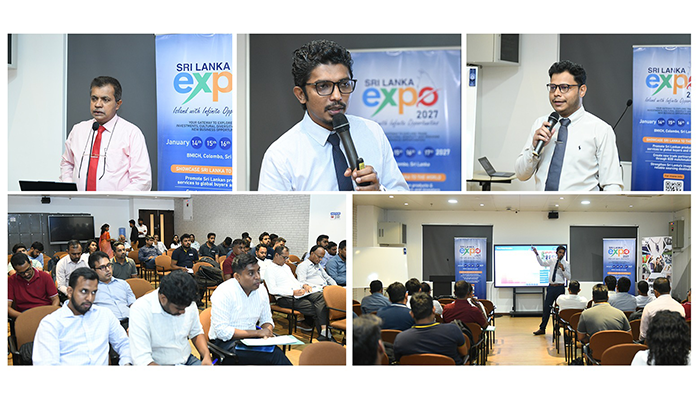
Sri Lanka’s Export Development Board (EDB), in collaboration with the Sri Lanka Association of Manufacturers and Exporters of Rubber Products (SLAMERP), conducted a full-day workshop on improving business profits through sustainable energy efficiency management in the rubber products manufacturing industry.
The workshop was held at the EDB premises, with technical experts from the National Cleaner Production Centre (NCPC), Sri Lanka, leading the programme.
The programme focused on helping technical personnel gain a better understanding of energy management, reducing production costs, sustainable production and modern energy technologies. It followed a request from SLAMERP to raise awareness among its member companies.
Sri Lanka’s rubber products industry is a technology-intensive sector known internationally for high-quality, value-added products made from natural latex and dry rubber. Tyres account for about 60 per cent of the sector’s exports, while gloves account for around 30 per cent, with other rubber products making up the remainder.
However, manufacturing rubber products involves heating, curing and other high-temperature processes, making the industry energy-intensive. High energy costs can therefore have a direct effect on profitability and the ability of manufacturers to compete in international markets.
The programme opened with remarks from the EDB, followed by a keynote address titled “Energy Management as a Strategic Advantage” by Eng. Samantha Kumarasena, Director General/Chief Executive Officer of NCPC Sri Lanka.
Eng. Ruwan Wijemanne, Chief Operating Officer of NCPC, spoke on energy performance in rubber manufacturing and energy efficiency in electrical systems.
Eng. M.M. Munsif, Senior Energy Expert at NCPC, discussed building a sustainable Energy Management System (EnMS), as well as investment in energy efficiency and decarbonisation.
Further sessions covered thermal energy systems, process optimisation, energy audits, developing an energy management roadmap and renewable energy technologies.
The workshop encouraged manufacturers to look beyond individual energy-saving measures and consider energy management as part of their longer-term business planning. Better control of energy use can help improve productivity, reduce waste and keep production costs under control.
The event concluded with a question-and-answer and feedback session, giving participants an opportunity to raise practical concerns with the resource persons.
Through such programmes, the EDB continues to support Sri Lanka’s export-oriented industries by providing access to technical knowledge and encouraging production practices that can improve efficiency, sustainability and international competitiveness.