
Sports Tourism Boom Spurs Sector to Scale Up and Push Beyond Projections
Sri Lanka’s tourism industry has scaled up rapidly in early 2026, capitalizing on the global attention generated by the ICC Men’s T20 World Cup matches hosted on the island. The tournament has acted as a catalyst, enabling the sector to push past early forecasts and chart a stronger-than-anticipated growth trajectory.
Within the first 45 days of the year, tourist arrivals reached 401,787 — marking a 12.5% year-on-year rise. February figures gathered pace even further, underscoring the industry’s ability to step up operations and accommodate heightened demand from key source markets.
Host cities such as Colombo and Kandy reported full occupancy, while nearby coastal hubs absorbed spillover traffic, demonstrating the sector’s expanded capacity and resilience.
The Sri Lanka Tourism Development Authority reports steady per-guest expenditure and longer stays during the tournament period, signaling that visitors are branching out beyond match venues to explore leisure, cultural, and coastal experiences.
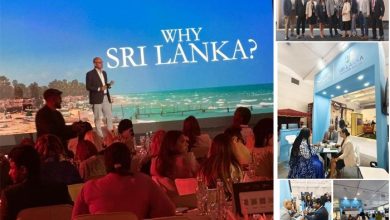
To sustain this upward swing, the Sri Lanka Institute of Tourism & Hotel Management has intensified specialized training in sports hospitality and service excellence, ensuring international standards are upheld during peak inflows. Meanwhile, the Sri Lanka Convention Bureau is leveraging the global spotlight to draw in high-value MICE events, broadening the sector’s revenue streams.
With coordinated efforts across public institutions, Sri Lanka is not merely riding a sports-driven surge — it is converting momentum into long-term strategic growth, reinforcing its position as a premier destination for sports, leisure, and business tourism.