
Skilled Hands, Sharp Minds for Sri Lanka’s Hotels
 A hotel is not run by its reception desk, restaurant or kitchen alone. Behind every successful guest experience is a team making decisions, solving problems and keeping an entire operation moving. As tourism changes, the people managing these businesses need to understand far more than the basics of hospitality.
That is where higher education has an increasingly important role to play.
The Sri Lanka Institute of Tourism and Hotel Management (SLITHM), an institution with more than six decades of experience in professional hospitality training, has taken a new step by introducing its first-ever Bachelor of Hotel and Resort Management (Honours) degree.
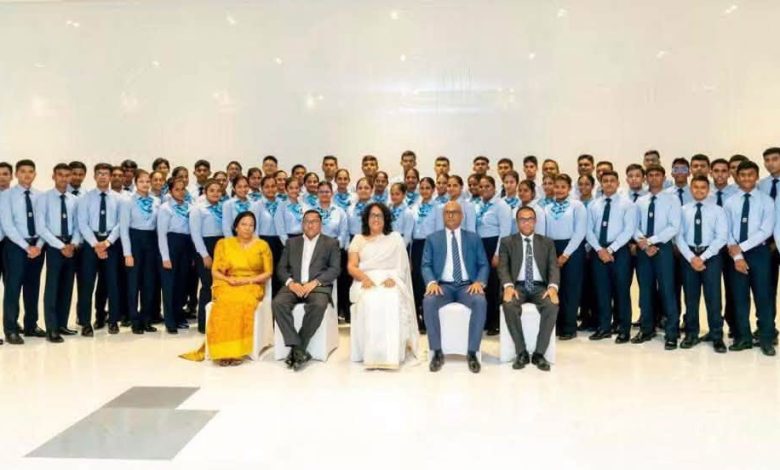
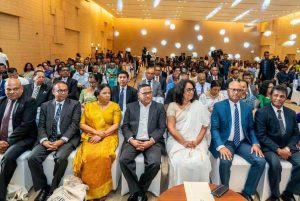
The programme, launched on 27 October 2026 at Cinnamon Life, City of Dreams, Colombo, begins with an inaugural intake of 64 students. It marks a move into degree-level education for a government institution that has long been involved in preparing people for careers in tourism and hospitality.
The Business Behind the Welcome
Hospitality is often judged by the experience a visitor receives. But delivering that experience involves planning, management, staff leadership, financial decisions and an understanding of what guests expect.
Those responsibilities are becoming more complex as technology changes the way businesses operate and travellers’ expectations continue to evolve. Hotels and resorts must also respond to new global tourism trends while maintaining service standards.
SLITHM’s new degree is intended to prepare students for these wider responsibilities. Its programme combines managerial knowledge with practical skills, research capabilities and innovative thinking.
Rather than concentrating on classroom learning alone, it places emphasis on practical exposure, industry engagement, applied research and innovation. The intention is to help students understand how academic knowledge can be used to address actual problems in the hospitality sector.
Learning to Manage, Not Just to Serve
The curriculum aims to develop critical thinking, leadership, entrepreneurship, problem-solving and innovation. These are important abilities for graduates hoping to enter professional and managerial positions in hotels, resorts and other tourism-related businesses.
By bringing academic study together with hands-on training and research-oriented education, the programme seeks to bridge the gap between theory and industry practice.
It is also designed to prepare graduates for careers both in Sri Lanka and overseas. The broader aim is to develop professionals who can respond to changing consumer expectations, technological developments and emerging global tourism trends.
A First Batch of 64
For the 64 students in the inaugural intake, the degree represents a new opportunity to pursue higher education in tourism and hospitality management through a specialised government institution.
For SLITHM, it is a significant development in an academic journey built on more than six decades of professional training. For the industry, the programme is expected to contribute to a skilled workforce capable of supporting growth, competitiveness and greater international recognition for Sri Lankan tourism and hospitality.
The inauguration was attended by Prime Minister Dr Harini Amarasuriya as Chief Guest and Vijitha Herath, Minister of Foreign Affairs, Foreign Employment and Tourism, as Guest of Honour.
Among those present were Dheera Hettiarachchi, Chairman of SLITHM and the Sri Lanka Convention Bureau; Wasantha Manthripala, Director General of SLITHM; Suranjith Wewita, Chairman of the Sri Lanka Tourism Development Authority; and Professor Suranga Silva of the University of Colombo. Government officials, industry leaders, academics, students, parents and other stakeholders also attended.
SLITHM operates under the Ministry of Foreign Affairs, Foreign Employment and Tourism. With this first honours degree, the institution is extending its contribution from professional training into higher education.
The real value of the programme will eventually be seen in the people it produces. Sri Lanka’s hospitality industry needs employees who understand service from the ground up, but it also needs managers who can think critically, lead confidently and find solutions when the industry faces new challenges.