

Sexual abuse: many forms but often devastating consequences
 By Dr Marcel de Roos, Psychologist PhD, the Netherlands
Sexual abuse is a term that is used for all sexual activities that someone is forced to take part in, in an inequitable situation (this means that the other is more powerful, stronger, older, or you are dependent on that person). It can consist of sexual assault, rape, sexual molestation, (online) sexual exploitation, sexual harassment.
- Sexual assault means that you are forced to touch the sexual organs of somebody else, or that you are being sexually touched without consent. It could be that you at first agree with sexual contact, but that you change your mind. If the other person persists in sexual contact then it is sexual assault.
- Rape means the unwanted non-consensual entering (with or without force) of your body with a penis, finger or object inside your vagina, mouth or anus.
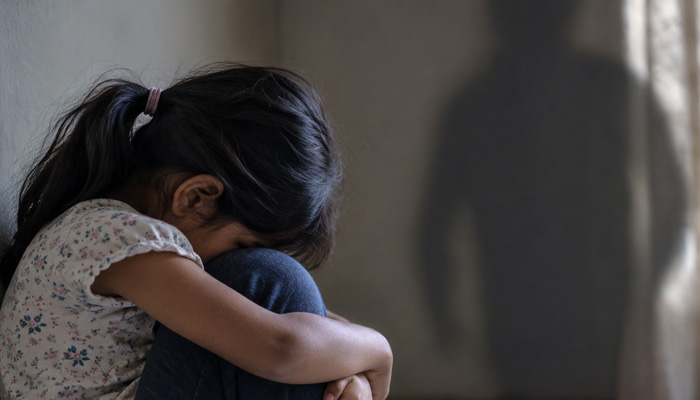
- We speak of sexual molestation when an adult or older child has any sexual activity with a child or minor. There is always inequality: the perpetrator makes use of the age difference or his or her power. The vast majority of the offenders are known persons of the victims. It often starts with “grooming”: to build an emotional relationship with a child or minor in order to sexually abuse them.
- Sexual exploitation happens nowadays mostly online. It’s when someone, against your will, has put your nude pictures/videos online and threatens to send them to others. Another form is when somebody blackmails you and demands that you send your nudes to that person, or forces you to perform sexual acts with yourself in front of the webcam. It can involve grooming or cat fishing: a person presents him- or herself with a false identity in order to build a relationship.
- Sexual harassment is unwelcome sexual behaviour, for example in the workplace.
It’s important to realise that sexual abuse has often devastating consequences. It doesn’t matter if it happened once or over a longer period, or that it happened to you as a child, teenager or adult. Victims can suffer (even years after the abuse) from a variety of physical and mental complaints and traumas.
Long term physical effects can be reduced libido, erection problems, physical complaints as a result of continuous stress like sleep problems, headaches, tense muscles, vaginismus, immune system related diseases, etc.
Because sexual abuse is a traumatic experience, the mental consequences are usually significant. Examples are post-traumatic stress disorder, anxiety and fear, being on edge all the time, suppressing of emotions with alcohol, drugs or work, strong feelings of shame and guilt (many victims don’t talk about their experiences), depression, social isolation, eating disorders, problems with relationships and intimacy, etc.
A very nasty example is victim blaming, negative reactions from others like minimising the abuse, not believing or (indirectly) blaming the victim: “you could have said no”. A client of mine (who was alone at that time in her house) was chased by a worker and she managed to lock herself in the bathroom. The worker tried to break the door in and told her in filthy Sinhalese that he was going to rape her. She managed to hold the door for fifteen minutes and finally her shouting alarmed a neighbour and the worker fled. Because “she wasn’t raped” everybody discarded her story, but the intense emotions she had to undergo caused her severe problems.