
Can Women Help Grow Sri Lanka’s Tourism Economy?
CEYLONDIGEST EXCLUSIVE INTERVIEW
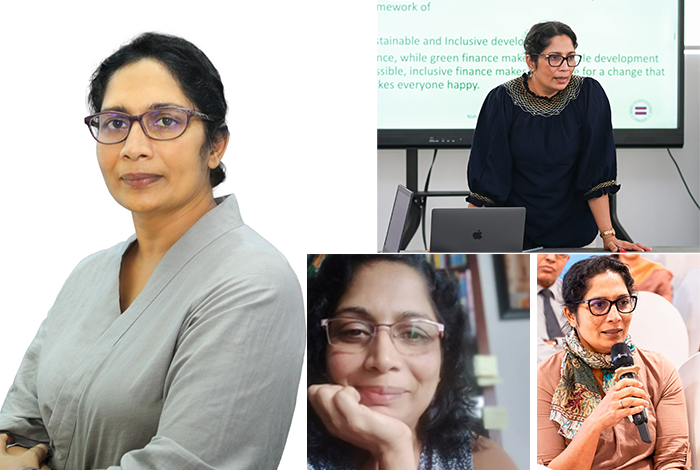
 Dr Nishadi Somarathe (Ph.D.)
CEO, Gender and Inclusive Development Consultants (GENINDE)
Tourism is an important source of income for Sri Lanka, but its benefits do not always reach every community equally. Women, particularly those in disadvantaged communities, may have skills, knowledge and experiences that could contribute to tourism but lack opportunities to turn them into sustainable livelihoods.
Dr Nishadi Somarathe works on gender equality and social inclusion through research, training and advisory services. As CEO of Gender and Inclusive Development Consultants (GENINDE), she is involved in Women’s Tourism Sri Lanka, a project exploring how women in marginalised communities can participate in tourism and benefit economically.
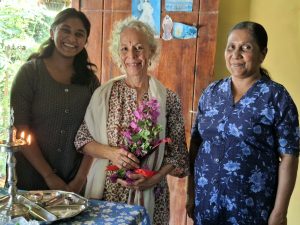
T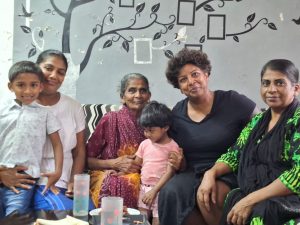 he project began in Mahaiyawa, Kandy, in July 2025, seeking to connect visitors with local communities and their everyday lives, experiences and hospitality.
In this exclusive interview with CeylonDigest, Dr Nishadi discusses women’s participation in tourism, gender equality, community development and the potential for more inclusive tourism to contribute to Sri Lanka’s economic growth.
What inspired you to start Women’s Tourism Sri Lanka?
A: Two reasons. First, Sri Lanka is considered one of the countries with the lowest levels of women’s participation in tourism, despite the potential to empower women economically. As a result, opportunities are being missed. Second, I am a woman working in tourism through our family company, Epic Hospitality (Pvt) Ltd. If I can work in this field, why can’t others? I strongly believe women have a “unique art” in hospitality that can be marketed at a higher price.
Why did you choose Mahaiyawa for your first project?
A: Actually, I have carried out a community tourism project in a tea estate before, and this is my second project.
Mahaiyawa is a very special community in Kandy. It is a melting pot of ethnic and religious diversity and togetherness, as well as a densely populated urban community. I like its “community architecture”, where you can feel the social connectedness of everyday life. This is an ideal feature for social and community tourism because guests can experience it, enjoy it and appreciate its rarity in their travels.
My main concern was its suitability for developing a tourism product that could be sold, where guests would feel “wow” after the experience.
Secondly, this community does not have easy access to tourism income opportunities because our society has a myth that tourism is only for hotels, destinations or tourist-oriented establishments. As a result, most products are “touristic” and available everywhere. At Women’s Tourism Sri Lanka, we believe local people’s everyday lives offer better attractions.
However, local people, especially women, do not always believe that what they have is good enough to welcome guests. I needed to support them in challenging these outdated beliefs and build their confidence that they, too, have a place in tourism.
How can local communities offer tourists a different experience of Sri Lanka?
A: Their natural smiles, kindness and welcoming traditions make a difference. They can offer homemade fresh food using local ingredients, herbs and spices from their home gardens, and welcome bouquets made with locally picked flowers. Many family members and neighbours come forward to welcome guests, serve food and sit down for a chat.
Nothing is artificial. It is the true Sri Lankan way!
Can community tourism create new income opportunities for ordinary families?
A: Yes. I have always believed that Sri Lanka’s best tourism resources are found not on the main road but in the interior. Life in Sri Lanka is also communal, and we are less individualistic than people in some economically developed countries.
One of our untapped yet most valuable tourism assets is “community life”: gathering, sharing, caring, feeling connected and being happy together.
How can women’s participation help Sri Lanka earn more from tourism?
A: Approximately 53% of Sri Lanka’s population are women, while women’s participation in the economy has remained around 33% over the last several decades. According to available data, women account for just 10% of employment in Sri Lanka’s tourism sector, compared with approximately 54% globally.
Women face many social and cultural prejudices that discourage them from engaging in tourism. For example, they may be reluctant to travel or interact with foreign visitors because a male-dominated society may question their “good character”, which women are always expected to maintain. These factors keep women away from valuable tourism opportunities.
They can break these cultural barriers by gaining experience in tourism and encouraging others to do the same.
When I started my project, only one family agreed to my offer, while many others rejected it. I worked with that family, and within a year, six families had joined me, with more waiting to participate. They earn a good income through direct payments and tips from satisfied guests. I have also seen them share their earnings with neighbours who help welcome visitors.
Could community-based tourism encourage visitors to stay longer and spend more?
A: Of course. For example, the average stay in Kandy is two days, the lowest compared with other parts of the country. I often see comments in tourist and traveller groups on Facebook, which I regularly follow to understand travel and booking patterns, describing Kandy as a boring destination with little to do beyond two days.
This is a disadvantage for Kandy, but, in my experience, tourism development authorities and other institutions have not paid enough attention to the issue.
Through our project, we offer one- to two-day social and community tourism activities beyond the conventional Kandy tour, which includes the Temple of the Tooth, the Botanical Gardens, the War Memorial Cemetery, Ambakke, Gadaladeniya and an evening dance show.
We contact visitors directly to tell them about our programme, and I have seen a very positive response. For example, a German family planning to visit Sri Lanka in January 2027 initially intended to stay in Kandy for only two days. They now want to experience our project and have extended their stay to five days.
When tourists have meaningful and engaging experiences with local people, they are encouraged to stay longer.
Can women-led tourism businesses create jobs beyond the main tourist areas?
A: Of course. They can create opportunities in every segment of the tourism value chain. However, the right locations, people and products must be selected.
What support do women need to start and expand tourism businesses?
A: Women need support in understanding how tourism works. Without that knowledge, developing a tourism business is difficult.
Communication is the key to success in tourism. Women need to communicate with guests and other people in the industry. Some guests come directly, while others come through travel agencies. It is important to build good relationships with them and maintain regular communication.
Social support and trust are also important in the tourism business.
How can tourism income reach women in disadvantaged communities?
A: The communities and women involved do not need a large resource base to invest in community tourism. When tourists are connected with marginalised communities, local people can earn an income without investing substantial additional resources. This allows them to earn income directly and make the activity profitable.
However, basic quality standards must be maintained, including cleanliness in homes and the premises visited by tourists, food safety and the peacefulness of the community.
What does gender equality mean in practical terms for Sri Lankan women?
A: Well, it is not about trying to be like men by doing everything men do. It is about social acceptance and respect for women’s power and freedom to make their own choices about what they do and do not do, autonomously, and allowing them to deal with the outcomes of those choices instead of judging or mistrusting them.
This applies to men and non-binary people as well.
How can gender awareness be developed among young people and within families?
A: When you do not discriminate against anyone based on their sex, there is no need to make gender equality something people must be constantly reminded of. It becomes a norm and a way of life.
What social and cultural barriers still prevent women from gaining economic independence?
A: Sri Lanka is still largely influenced by an informal culture dominated by patriarchy. It expects women to be under men’s protection and provision, and therefore under their control. Those norms are the first barrier.
Secondly, even when women want to engage in economic activities, they often lack the resources and support needed to manage their multiple responsibilities, including childcare, housework and caring for older family members.
Male-dominated social systems do not always recognise the need to redistribute domestic responsibilities or treat this as an issue deserving urgent attention. Consequently, taking part in economic activities becomes an additional burden for women. The lack of investment in care support prevents them from participating fully in the economy.
How can men and communities help create equal opportunities for women?
A: By being decent enough to accept and respect that women, too, have the power and freedom to make their own choices.
How has your academic work influenced this project?
A: Developing a business is a science that depends on data, analysis, evidence and evidence-based practice. My academic training helps me minimise errors by making decisions based on facts and figures rather than random assumptions and emotional involvement.
How can universities help local communities become part of the industry?
A: First, people need to learn about tourism as a system and understand its background as a multidisciplinary field, rather than thinking about different parts of the business in isolation. Secondly, they need to learn from the community: 50% from local people and 50% from books.
Universities and business organisations can also help by building trust and changing attitudes. Local people are capable and resourceful when it comes to tourism.
Business organisations should develop the necessary competencies: scientific knowledge of community dynamics, the skills to work with those dynamics, and attitudes based on respect and trust. They should work with communities rather than intervene in them with business objectives and little more than hopes for a better outcome.
Could the Mahaiyawa model be expanded to other parts of Sri Lanka?
A: Yes. Mahaiyawa is actually an expansion of my previous community tourism project in a tea estate. I am currently expanding activities to include female farmers and Kandyan home gardens.
However, there are no prototype communities, because each community is different. Without analysing the background of a community, it is not advisable to expand the model to another location.
What challenges could prevent community tourism from growing into a sustainable business?
A: Nothing would prevent it in a country like Sri Lanka. However, several factors could slow it down. These include people in the community who see everything negatively; overly enthusiastic people who expect to receive guests every day and cannot tolerate setbacks; greedy people who want to bring all the guests to their own place instead of sharing opportunities; and failure to maintain quality standards, which can lower product quality when people pursue higher profits and quick earnings.
Travel agencies and business organisations may also ignore the community’s carrying capacity and culturally sensitive elements.
What is your vision for Sri Lanka’s tourism economy over the next five to ten years?
A: I would like to see Sri Lanka become a country that caters to high-end tourists while preventing overtourism from depleting its environmental and social resources. I also want to see local people engaging in meaningful and honest tourism businesses.
What are the three changes you would most like to see in Sri Lanka’s tourism industry?
A: First, tourism development authorities should make theoretical knowledge and critical thinking mandatory competencies to ensure inclusive tourism development and the sustainability of the sector.
Secondly, authorities should adopt a broader and more up-to-date data collection system to support business development decisions in tourism. As far as I know, the focus is currently mainly on visitor numbers and hotel rooms.
Thirdly, authorities should identify and understand the diverse actors along the tourism value chain and involve them in decision-making. At present, the approach is top-down, meaning tourism development decisions and interventions do not effectively meet the needs of those stakeholders.
Sri Lanka’s tourism potential extends beyond its beaches, historic sites and established attractions. Local communities, their traditions, skills and everyday experiences may also offer visitors meaningful reasons to explore the country. Enabling more women to participate in the industry could create additional livelihood opportunities while helping tourism income reach a wider section of society.
Through Women’s Tourism Sri Lanka and her work on gender equality and social inclusion, Dr Nishadi Somarathe is exploring how these opportunities can be developed in practice. The wider question is whether Sri Lanka can turn inclusive tourism into a stronger source of economic opportunity for women, families and communities across the country.