
The Making of Service Excellence in Sri Lanka’s Hospitality Industry
Sri Lanka’s hospitality industry continues to grow alongside tourism, creating increasing opportunities in luxury banquet operations, food and beverage service, mixology, speed bartending, and bar management. Behind every successful hotel event is a coordinated team that ensures smooth execution, service excellence, and memorable guest experiences in line with international standards.
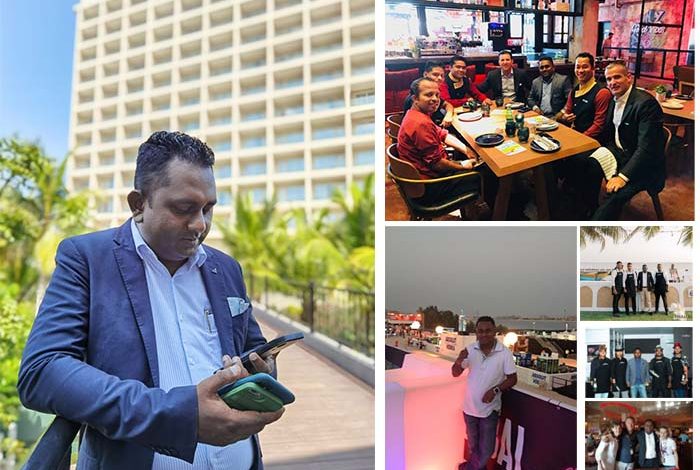
Rangajith Abayasekara, former Head of Banquet Operations at Waters Edge – Sri Lanka, is a hospitality professional with over two decades of experience in Sri Lanka and abroad, including extensive exposure in the UAE. His career spans leading international hotel brands, where he developed strong expertise in banquet operations, bar operations, and large-scale local and international event management. His experience includes roles at Hilton Dubai, Atlantis The Palm, Dubai (pre-opening), Marriott Weligama, Monarch Imperial (pre-opening), Windsor Castle Luxury Banquet (pre-opening), Araliya Unawatuna, and Waters Edge.
Interview
Q: Can you tell us about your journey into the hospitality industry?
A: I joined the hospitality industry in 2003 and have over 20 years of experience. After completing my diploma in hotel management, I trained in several five-star hotels in Colombo for one year. In 2005, I moved to the UAE as a busboy with the Hilton hotel chain. Within a few months, I was promoted to bartender at beach, pool, and lounge bar operations. I worked in different outlets such as sports bar and Cuban bar operations.
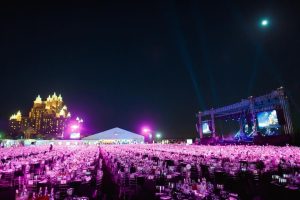
In 2008, I joined one of the biggest hotels in the world, Atlantis The Palm, Dubai, where I worked in banquet bar operations, including lobby bar and nightclub operations, as well as special events across the property and outdoor venues. I was promoted to team leader in banquet operations within six months. Later, I advanced to Assistant Bar and Operations Manager in banquet operations.
In 2018, I joined a major all-day dining saffron restaurant and one of the biggest party brunch operations in Dubai, serving over 1,000 guests, as Assistant Bar and Operations Manager.
Q: What inspired you to specialize in banquet operations and bar management?
A: It was not planned—it grew from passion. I stayed in the field because I genuinely enjoy it and always wanted to refine my skills.
Q: How did your early training influence your discipline and career development?
A: It built my foundation. It taught me discipline, patience, and how to turn training into real performance on the job.
Q: What experience did you gain working in Sri Lanka compared to international hotels?
A: I understood the structural differences in hotel operations, ownership systems, and management styles. More importantly, I learned how to adapt service standards to different cultural expectations while maintaining professionalism.
Q: How important is cocktail making and beverage presentation in modern hospitality?
A: It has become part of the guest experience, not just service. Presentation, creativity, and consistency now directly influence customer satisfaction and revenue.
Q: What makes a cocktail “premium”?
A: Precision. Quality ingredients, balance, and attention to detail.
Q: What is a signature cocktail or mocktail?
A: A drink that represents identity—created uniquely by a bartender or a venue.
Q: How important is cultural knowledge and fresh ingredients in mixology?
A: Very important. Freshness improves quality, while cultural understanding helps create relevance for guests.
Q: How do you train staff in bar service and customer etiquette?
A: Through structured standards and continuous on-the-job guidance.
Q: What role do banquet operations play in tourism and economic development?
A: Banquets can become a tourism driver through destination weddings, corporate events, and international gatherings. Proper planning can position Sri Lanka as an event destination.
Q: How important are discipline and teamwork in managing large events?
A: Without them, nothing works. Large events depend entirely on coordination and timing.
Q: What challenges have you faced in your career?
A: Rapid industry changes, pressure situations, and operational conflicts. Each challenge became part of my learning curve.
Q: How do you manage pressure during high-profile events?
A: Preparation is everything. Once planning is strong, execution becomes controlled even under pressure.
Q: What advice would you give to young people entering hospitality?
A: Don’t treat it as temporary work. If you respect the industry, it will build your future.
Q: How do you see the future of Sri Lanka’s tourism and hospitality sector?
A: It has strong potential. Growth will depend on training, consistency, and international exposure.
Rangajith Abayasekara’s journey reflects a less visible side of hospitality—where discipline is built behind bar counters, leadership is shaped in high-pressure banquets, and success is earned through repetition, precision, and patience.
His career shows that hospitality is not only about service, but about systems, timing, and human understanding working together in real time. As Sri Lanka strengthens its position in global tourism, professionals with this level of operational depth quietly define service standards.
In many ways, his story reflects the foundation of service excellence itself—built not overnight, but through years of discipline, adaptability, and dedication to craft.