
Mastering the Self Before the World
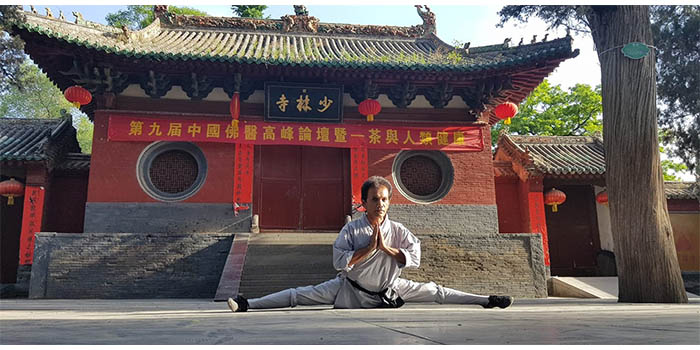
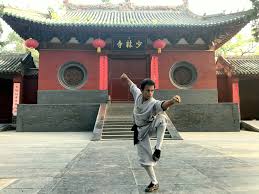 CeylonDigest continues its commitment to bringing readers original conversations with distinguished professionals through another exclusive interview. In this edition, martial arts instructor Vajira Sri Jayamipath Dharmasuriya shares the experiences, philosophy, and lifelong discipline that have enriched his remarkable journey across Sri Lankan, Chinese, Japanese, and international martial arts traditions.
Martial arts is often perceived as a system of physical combat, but for dedicated practitioners, it becomes a lifelong discipline that shapes character, mental strength, and philosophy. Vajira Sri Jayamipath Dharmasuriya is one such martial arts instructor whose journey reflects a deep commitment to both Eastern and Western martial arts traditions.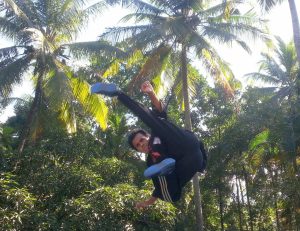
Born in Teldeniya and educated at St. Sylvester’s College, Kandy, he began his path with boxing and karate before developing a strong interest in Chinese and Japanese martial arts systems. His journey later took him to the Shaolin Monastery in China, where he trained in Kung Fu, Qi Gong, Tai Chi, and traditional healing practices such as Tui Na. He later expanded his expertise in Jiu-Jitsu through training in Japan and the United Kingdom, achieving a high-level black belt ranking.
Today, he is actively engaged in martial arts instruction in Sri Lanka, focusing on discipline, physical training, and character development. This interview explores his personal journey, philosophy, and views on how martial arts can contribute to individual transformation and personal development.
Interview
Q: Can martial arts help prevent youth violence and addiction?
A: Martial arts can play an important role in helping young people avoid violence, addiction, and other negative influences. Through training, students learn respect, self-discipline, honesty, perseverance, and self-control. They develop confidence, learn to manage their emotions, and become more responsible in their daily lives.
Training also provides a positive and structured environment where young people can spend their time productively and work towards meaningful goals. However, martial arts alone cannot solve every problem. Family support, education, positive friendships, and community involvement are also important.
Q: How important is diet in martial arts training?
A: Diet is extremely important in martial arts training because it provides the energy, nutrition, and recovery needed for effective practice and overall health. A balanced diet helps martial artists maintain energy, build and repair muscles, and improve strength, endurance, and flexibility.
Q: What type of food supports energy and endurance?
A: Foods that support energy and endurance are those that provide a steady supply of nutrients and assist recovery after training.
Carbohydrates are the body’s main source of energy, including brown rice, oats, wholegrain bread, sweet potatoes, and fruits such as bananas and apples.
Protein supports muscle repair and development, including fish, chicken, eggs, beans, lentils, milk, and yoghurt.
Healthy fats from nuts, seeds, avocados, and olive oil provide sustained energy and overall wellbeing. Proper hydration is also essential, and water should be consumed before, during, and after training.
Q: Are there specific dietary principles followed in Shaolin training?
A: Yes. Traditional Shaolin training is often associated with simple, balanced, and mindful eating habits. Practitioners are encouraged to eat natural and nutritious foods, consume plenty of vegetables, fruits, and grains, avoid overeating, remain properly hydrated, and practise moderation and self-discipline.
Historically, many Shaolin monks followed vegetarian or largely plant-based diets in accordance with Buddhist traditions. However, dietary practices may vary depending on the school, teacher, and individual training goals.
Q: How did your Jiu-Jitsu journey develop in Japan and the UK?
A: My first Jiu-Jitsu teacher was Soke Brian Cheek, a 10th Dan black belt from England and head instructor of the International Black Belt Association. I began studying under him in 1997. Later, I continued my training in Japan under Soke Yasumoto Akiyoshi, also a 10th Dan black belt. Through years of dedicated training and study, I progressed through the ranks and currently hold a 7th Dan International Black Belt.
Q: What is the difference between Shaolin Kung Fu and Jiu-Jitsu philosophy?
A: Shaolin Kung Fu and Jiu-Jitsu are both respected martial arts traditions, but they developed within different cultural and historical environments.
Shaolin Kung Fu emphasises self-discipline, moral character, humility, meditation, and the harmonious development of mind and body. The objective is not only to become a skilled fighter but to become a better human being. One important principle is to conquer oneself before attempting to conquer others.
Jiu-Jitsu focuses on efficiency, leverage, and technique rather than physical strength. It teaches practitioners how to respond calmly and effectively under pressure. Although the approaches differ, both traditions encourage discipline, respect, and personal development.
Q: What responsibilities come with being a senior martial arts instructor?
A: Being a senior martial arts instructor involves much more than teaching techniques. An instructor must ensure student safety, teach with integrity, and help develop strong character.
A senior instructor must also serve as a role model, continue learning throughout life, and preserve the traditions and values of the art. True martial artists never stop learning. Leadership should always be guided by patience, discipline, and humility.
Q: What is the current state of martial arts development in Sri Lanka?
A: Martial arts in Sri Lanka have considerable potential for growth. However, many parents and young people are still unaware of the benefits martial arts can bring to their lives. As a result, participation remains relatively limited.
Q: What challenges does martial arts face in Sri Lanka today?
A: One of the main challenges is the lack of suitable training facilities. There is also a need to increase public awareness of the importance and benefits of martial arts. In addition, there is a shortage of properly trained and certified instructors in some areas, which affects the quality of instruction.
Q: How can martial arts be introduced more effectively in schools?
A: Parents should be made more aware of the physical and mental benefits of martial arts for children. Programmes should be introduced through qualified instructors who can provide safe, structured, and age-appropriate training.
Q: Can martial arts improve youth discipline in society?
A: Yes. Martial arts can play an important role in improving youth discipline. Through regular training, students learn respect, responsibility, patience, self-control, and perseverance. These values help them manage emotions, follow rules, and stay focused on their goals, positively influencing behaviour at school, home, and in society.
Q: Can martial arts contribute to personal development beyond sport?
A: Yes. Martial arts contribute significantly to personal development beyond sport. Alongside physical fitness and self-defence, they build confidence, discipline, leadership, emotional control, and resilience.
They also teach goal setting, stress management, and focus, which are valuable in education, work, and personal life.
Q: How does martial arts discipline translate into productivity in life?
A: Martial arts discipline helps build habits that lead to productivity and success. Practitioners learn to set goals, manage time, stay focused, overcome challenges, and remain calm under pressure. These principles are directly transferable to work, education, and everyday life.
Q: Can Sri Lanka benefit from martial arts as a cultural practice?
A: Yes. Martial arts can support physical wellbeing, personal development, cultural exchange, and healthier lifestyles, while also strengthening communities.
Q: Can martial arts tourism contribute to Sri Lanka’s economy?
A: Yes. Even today, foreign visitors come to Sri Lanka to practise Tai Chi and Qi Gong and experience traditional therapies such as Tui Na massage. With proper development, martial arts tourism can make a meaningful contribution to the economy.
Q: What is your personal philosophy on discipline and success?
A: My philosophy is to remain mindful, stay committed to my goals, and continue improving even when progress seems slow. Success comes through patience, consistency, and dedication. Avoiding procrastination and building strong habits are essential in both martial arts and life.
Q: What has martial arts given you beyond physical ability?
A: Martial arts have given me far more than physical skills. They have taught me discipline, self-control, confidence, patience, perseverance, respect, and leadership. Most importantly, they have helped me develop inner balance and peace in life.
Q: What message would you give to the youth of Sri Lanka?
A: Life is short and unpredictable. We experience success, failure, and uncertainty, and many challenges begin in the mind. Therefore, we must strengthen the mind and learn to face life with confidence and discipline.
I encourage young people to develop self-belief, resilience, and a positive attitude. Through dedication and disciplined practice, personal growth is always possible.
This interview highlights a journey shaped by discipline, cultural exchange, and lifelong learning. From early training in Sri Lanka to advanced study in Shaolin Kung Fu and international Jiu-Jitsu systems, Vajira Sri Jayamipath Dharmasuriya’s path reflects the deeper purpose of martial arts beyond physical combat.
In a world where mental wellbeing, discipline, and youth development are increasingly important, martial arts stands as a practical path for building focus, resilience, and character. It is not only a system of self-defence, but a way of life that shapes stronger individuals and more balanced societies.