
Long Before the First Guest
 Dr. A. M. Pushpika Attanayake is an Ayurveda and Wellness Consultant with over 20 years of experience in Ayurveda, luxury spa management, and wellness operations. She holds a BAMS, a Postgraduate Diploma in Business Management from the University of Colombo, a Postgraduate Diploma in Yoga and Naturopathy from Gujarat Ayurved University, India, and an MA in Buddhist Ayurvedic Counselling from the University of Kelaniya. She is an EaHEA-approved Wellness Tourism Trainer and a Visiting Lecturer in Spa Management at Gampaha Wickramarachchi University of Indigenous Medicine.
For some, it is the dream of creating a peaceful sanctuary where people can escape the pressures of everyday life. For others, it is about building a luxury wellness retreat that combines exceptional hospitality with authentic healing experiences. Whatever the vision may be, transforming that dream into a successful spa requires far more than beautiful interiors and luxurious treatments.
As a pre-opening spa consultant, I often remind clients that a successful spa is not built by chance—it is built through careful planning, strategic thinking, and attention to every detail before the first guest walks through the door.
Many people believe that developing a spa starts with designing treatment rooms or selecting furniture. In reality, the journey begins much earlier—with creating a clear spa concept.
The spa concept is the heart of the business. It defines what the spa will offer, who it will serve, and what makes it different from every other spa in the market. Whether the vision is an authentic Ayurveda wellness centre, a boutique day spa, a destination wellness retreat, or a luxury hotel spa, every decision that follows should support this concept.
Once the concept is defined, understanding the market becomes essential. One of the biggest mistakes developers make is assuming they already know what customers want. A comprehensive marketing study provides valuable insights into customer expectations, wellness trends, competitors, and business opportunities. It helps identify the target market and ensures that the spa offers services people are genuinely looking for, rather than simply following industry trends.
Location also plays a significant role in determining success. Before selecting a property, a regional analysis should be conducted to evaluate tourism potential, accessibility, local competition, and market demand. This is followed by a detailed site analysis, which examines the suitability of the specific location, including accessibility, surroundings, infrastructure, parking, customer convenience, and opportunities for future expansion.
A beautiful spa in the wrong location may struggle to succeed, while the right concept in the right location can become a thriving wellness destination.
Once the concept and location have been validated, it is time to ask one of the most important questions: Is this business commercially viable?
This is where business planning and feasibility studies become invaluable.
A business plan serves as the roadmap for the entire project. It outlines the organisational structure, operational strategy, staffing requirements, marketing plans, financial projections, and investment requirements. At the same time, feasibility studies evaluate whether the concept is realistic from market, operational, technical, financial, and legal perspectives.
From my experience, investing in construction before completing a proper feasibility study is one of the most expensive mistakes a developer can make. Careful planning at this stage can prevent unnecessary costs and significantly improve the chances of long-term success.
Another critical component of spa development is strategic planning.
A successful spa needs more than an attractive building—it needs a clear direction. Establishing the vision, mission, values, strategic objectives, and action plans ensures that every decision supports the long-term goals of the business. Strategic planning provides a framework for growth while helping the organisation adapt to changing customer expectations and market trends.
Design is often the most exciting stage of the project, but it should never be approached as decoration alone.
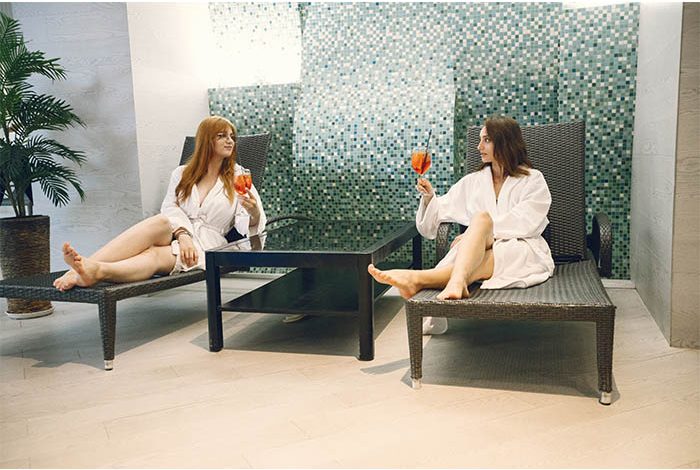
Every spa owner wants to create a facility that leaves a lasting impression and stands apart from competitors. While selecting the type of spa is important, thoughtful design is what transforms that concept into a memorable guest experience. Every detail—from the arrival experience and reception area to treatment rooms, lighting, colours, natural materials, aromas, and relaxation spaces—should work together to create an environment that reflects the spa’s identity and supports its wellness philosophy.
In essence, great spa design is not only about aesthetics; it is about carefully shaping every stage of the guest journey to create comfort, relaxation, and lasting memories.
Whether the dream is to establish a small day spa or develop a world-class destination wellness resort, every successful project begins with a schematic design. This initial stage transforms ideas into a practical layout that balances guest comfort, operational efficiency, and future growth before detailed architectural work begins.
However, even the most impressive spa cannot succeed without strong operational planning.
A successful pre-opening process includes developing organisational structures, treatment menus, standard operating procedures, quality assurance systems, staffing plans, inventory management systems, and comprehensive staff training. These elements ensure that guests receive a consistent, high-quality experience from the very first day of operation.
Implementation is where months of planning finally come together. Construction is completed, equipment is installed, therapists are recruited, systems are tested, suppliers are appointed, and the entire team is trained before welcoming the first guest. A successful opening is not simply the result of good construction—it is the outcome of careful coordination between owners, consultants, designers, architects, contractors, and operational teams.
The wellness industry continues to evolve rapidly, with guests seeking personalised experiences, authentic healing traditions, sustainability, and exceptional service. For this reason, spa development does not end when the doors open. Continuous evaluation, innovation, staff development, and adapting to changing market trends are essential for maintaining long-term success.
Developing a spa is one of the most rewarding journeys in the hospitality and wellness industry. It combines creativity with business strategy, wellness with hospitality, and vision with careful execution.
When every stage—from concept development and marketing studies to regional and site analysis, business planning, strategic planning, thoughtful design, operational planning, and implementation—is approached with expertise and purpose, an idea becomes much more than a spa.
It becomes a destination where people heal, reconnect, and create lasting memories. Most importantly, it becomes the successful realization of an owner’s vision—a dream thoughtfully transformed into reality.